Leveraging the Harkness Model for School Transformation
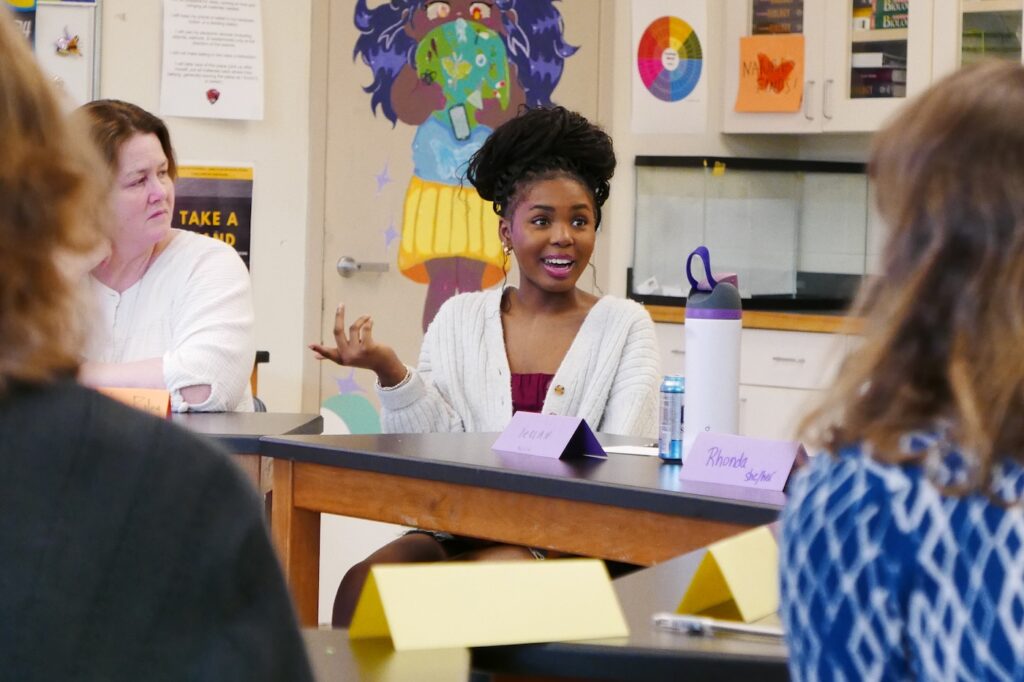
While Harkness Discussion is often associated with the polished oak tables of elite independent schools, my project at Champlain Valley Union High School (CVU) seeks to democratize this practice within a public school context. Heavily influenced by the mentorship of Kathy Cadwell and her pioneering work at Harwood Union, we are proving that student-led inquiry doesn’t require a specific piece of furniture—it requires a shift in power. At CVU, Harkness is a collaborative exploration where students take the lead, shifting the teacher from the center to the periphery to ensure every voice carries weight.
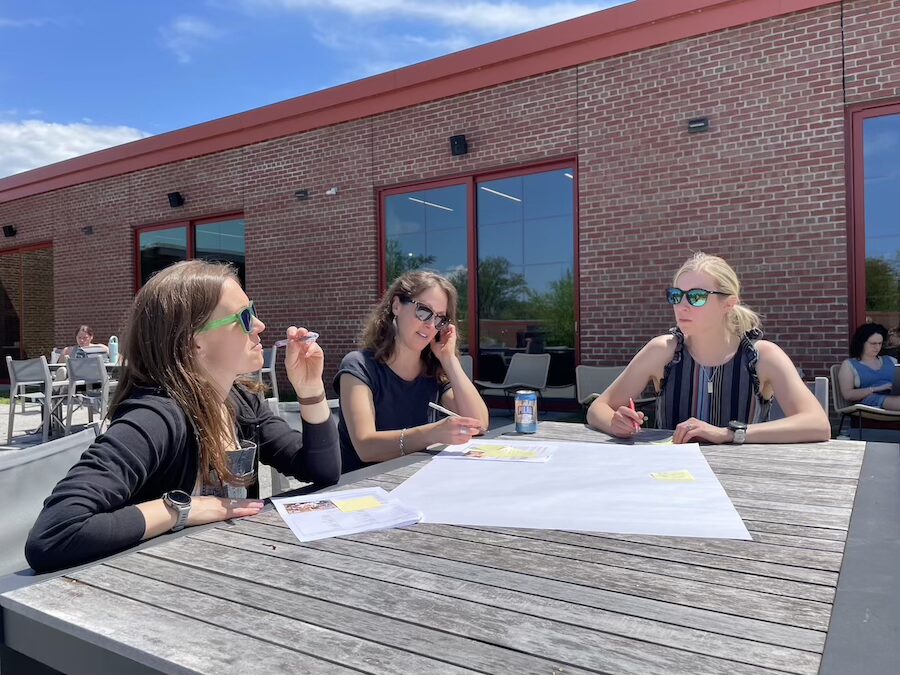
To make this culture sustainable, we’ve adopted a “build it and they will come” model. We’ve established a dedicated Discussion Lab and host “Discussion Luncheons” for CVU faculty to navigate the complexities of our craft. Central to this work is our Harkness Leadership Program, where 10th graders undergo intensive training in facilitation. These student leaders don’t just participate; they model and facilitate discussions for 9th-grade classrooms and even extend their reach into the community, hosting bi-weekly discussions at the Charlotte Senior Center. Last year’s faculty feedback confirmed the impact: these are the moments where CVU students are most authentically engaged.
The ultimate goal of this initiative is to equip our students with a toolkit for the modern world. There are few skills more transferable than active listening, perspective-taking, and leading with curiosity. By training CVU students to facilitate—whether in a freshman classroom or a local community center—we provide them with the profound experience of being truly seen and heard by their peers. We aren’t just teaching a curriculum; we are fostering empathetic, critical thinkers ready to engage with a democratic society.